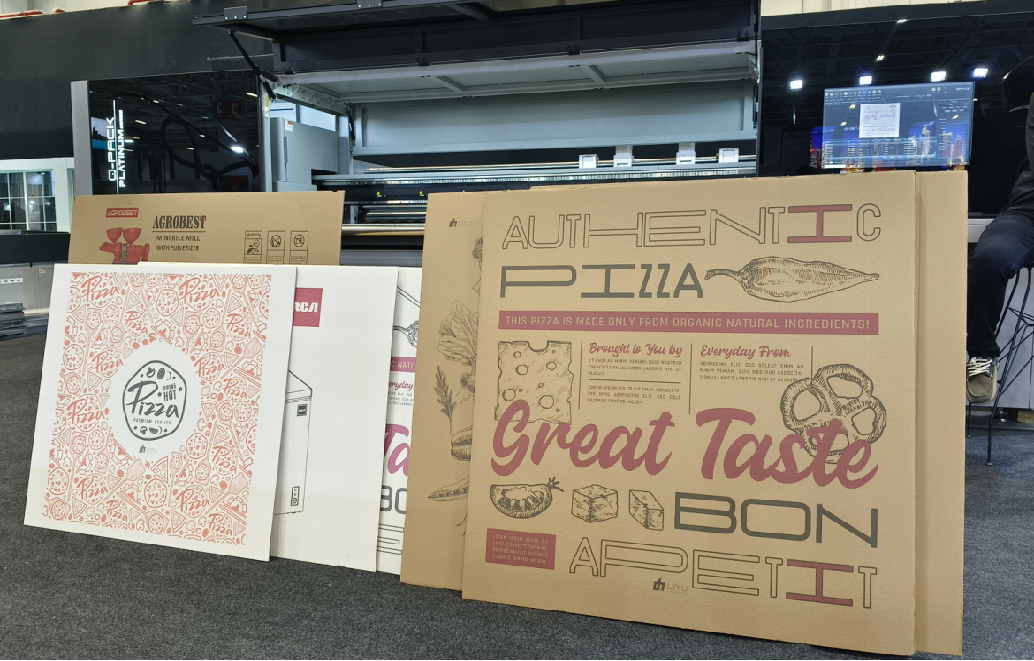

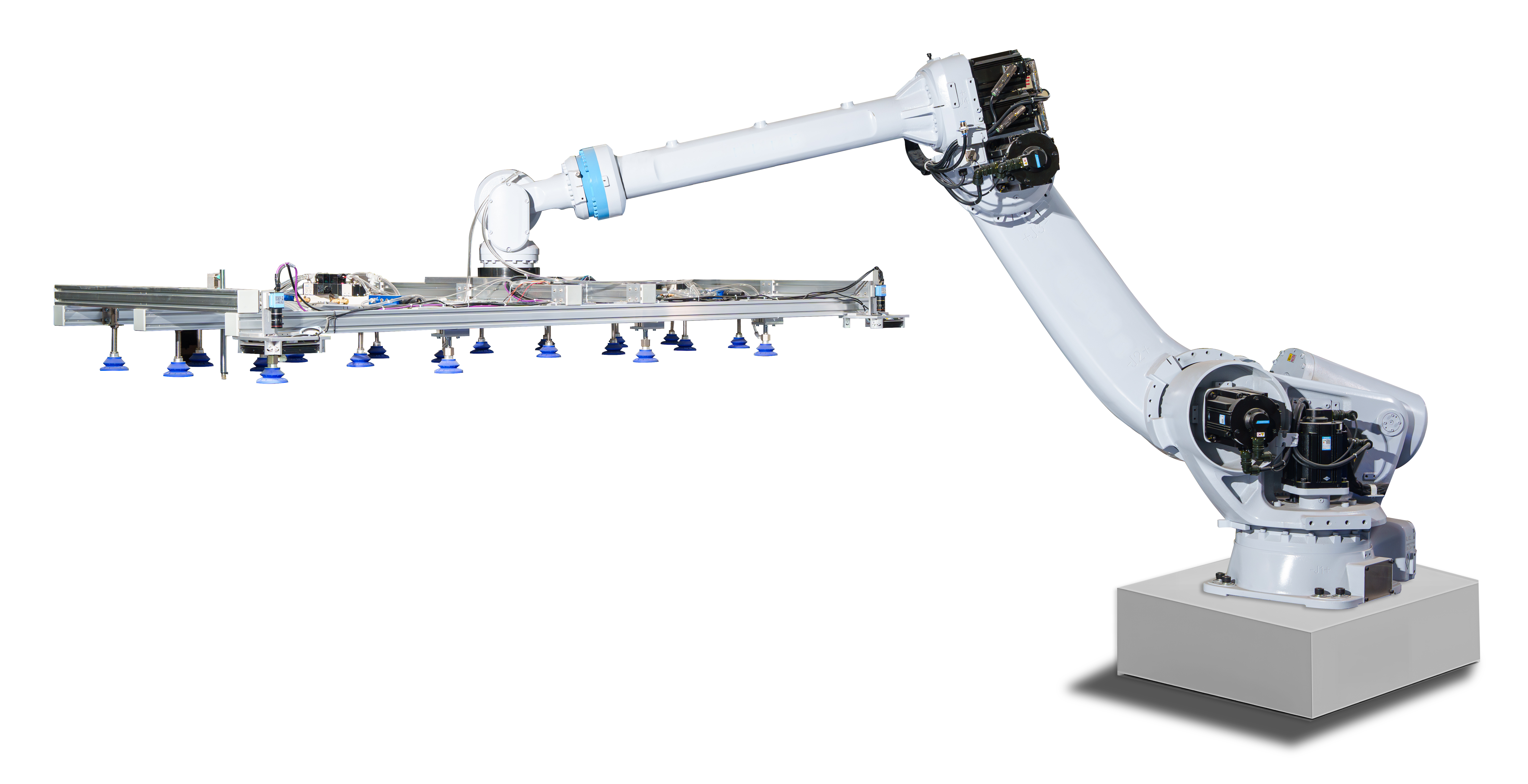
1.24-hour unmanned operation: The robotic arm can replace manual labor to complete repetitive operations such as loading and unloading materials and material handling, enabling continuous operation of the UV printing flatbed machine and reducing downtime.
2.Multi-task parallel processing: The robotic arm can operate multiple UV printing platen machines simultaneously, or coordinate printing, inspection, packaging and other processes to form a production line operation, further shortening the overall production cycle.
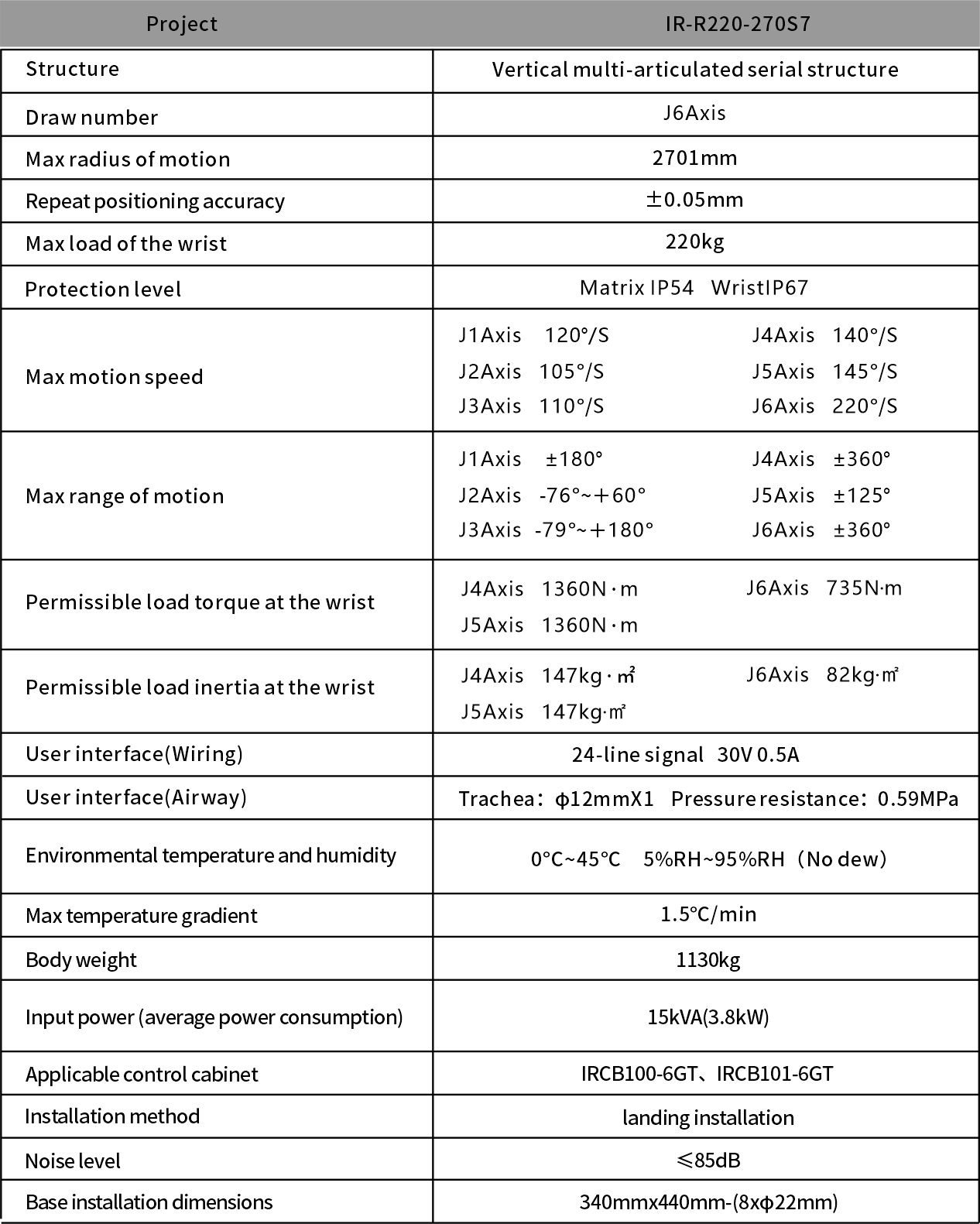
3.Precise positioning and repeatability: The robotic arm is controlled by programming, enabling positioning accuracy down to the millimeter level. This ensures that the position and angle of each printed pattern remain consistent, eliminating errors caused by manual operations.
4.Real-time quality monitoring: The integrated system can incorporate a visual inspection module. The robotic arm simultaneously checks the printing quality during the transportation process, promptly identifies defects and adjusts parameters to reduce the waste rate.
5.Reduce labor costs: Mechanical arms replace human workers to complete dangerous, arduous or high-precision tasks, reducing the reliance on skilled workers.
6.Safety protection: The robotic arm can replace human workers to enter dangerous areas (such as high-temperature, high-pressure, and toxic environments), reducing the risk of work-related injuries. At the same time, the linkage system can be equipped with safety sensors to monitor the operating status of the robotic arm and the UV printer in real time, avoiding collisions or malfunctions.